

SUBSCRIPTIONS TO COSMIC EDGES ARE CURRENTLY 20% OFF
The zodiac opens with spring, with the boldness of Aries and its red planet, Mars. With Ram, head, go! Each month, a new moon—light’s dark start. Then a slow build as we watch, film-like, the moon’s face show more and more. The full moon: culmination, ending, maximum, all the light the moon/month/mother can hold and reveal to us here. In the case of eclipse (there is one tomorrow in Leo), these beginnings and endings are more dramatic, significant, signaling larger cycles of light and life. Astrologers often say eclipses mark and reflect “major beginnings and endings.” But what’s a beginning? An ending?
Lately, thanks to this eclipse season and some evocative conversations in the Dream Seminars I’ve been hosting this year, I’ve been revisiting my book of poetry Magenta (2023), which you can read in its weird entirety HERE. This book sort of birthed my two novels, Vivienne and The Moon Papers. While working on Magenta, I was thinking, as I often do, about mysticism and movies—-seen and unseen—-the physically intense process of making images, and our image-making techniques being modeled after the original cinema of celestial bodies, how the body of the moon incubates pieces of sun. Body (moon) and soul (sun) touch, come undone, touch. Each month. In an eclipse: the violent, bold, mystical process of image birth-death becomes more apparent. Day reverses into night as we look at the moon’s shadow, shadow of the beginning.
Tomorrow’s eclipse in Leo: the moon will cast its shadow on the sun in the sun’s own home. Darkness inside solar edges, halo. A beginning, a new moon—but a beginning that marks the start of a longer trip. A turn and a turning point. A conversion, maybe. As Anne Dufourmantelle wrote: “Turning around is a true risk.” Conversion and turning as limit-experience. “Conversion disorder.” A hysteria of light. An eclipse: the celestial bodies at a limit, in uncanny mystical union. Sidereal remainder. Lacan says what holds the image together is remainder, leftover, residue. What holds our images together?! What ties them up? What beginning, end?
The ancients were frightened of eclipses, their baleful rays. They thought eclipses malefic. Hid from them. We kind of idealize them now. The German for dream is TRAUM. Trauma. Even or especially the most beautiful mage-making and dreaming and eclipsing: wounding. The “punctum” that Roland Barthes speaks of, that portion of the picture that marks us and makes a memory—an accident, some point inside the field that “pierces me.” Or Freud’s “navel of the dream” — that zone that reaches down down down into the unknown. Or the aperture. The hole through which light pours, the camera’s pupil, and that which modulates the depth of field.
Interestingly (and this was like, the basis for Magenta), the medieval mystic and “heretic” Marguerite Porete uses “aperture” to describe the opening of the soul in communion with God: “For it is an aperture, like a spark, which quickly closes, in which one cannot long remain…” She says we cannot speak of this. This speedy, nearly out-of-time-and-space tiny yet unspeakably large keyhole-landscape of relation with Him, exists beyond language. But still, she tries to relay her experiences, and to guide us in our efforts to get closer to Sun, to look directly, for a celestial sec, at Love. And the trying is what makes her searching language so. So. She is talking, like Simone Weil, about Attention and Love—seeing the unseeable. The aperture does not capture.
OK, beginnings and endings.
Very hard to even find, let alone speak about.
A beginning often happens without our knowledge. It happens in a dream. Or becomes more evident in retrospect. Magenta was one beginning of Vivienne and The Moon Papers—two novels birthed eerily from certain lines that you can probably find—
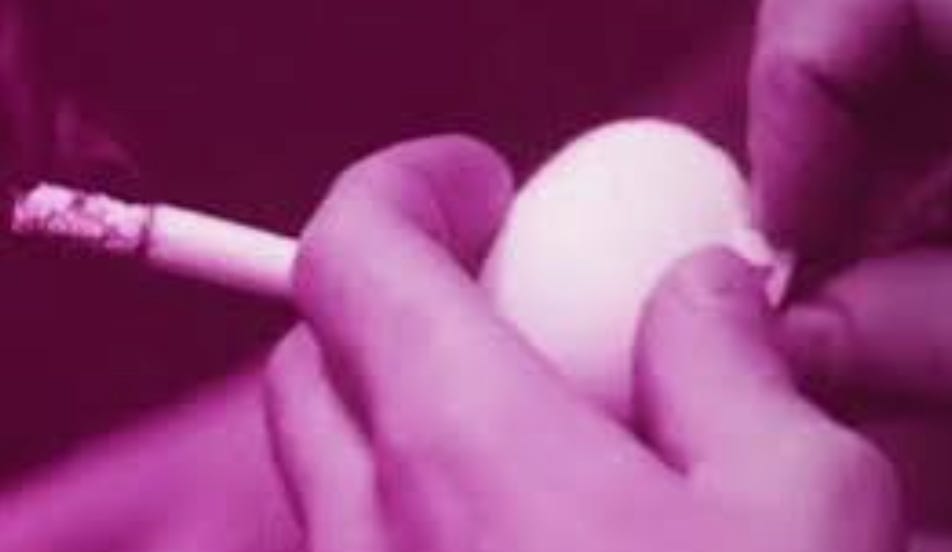
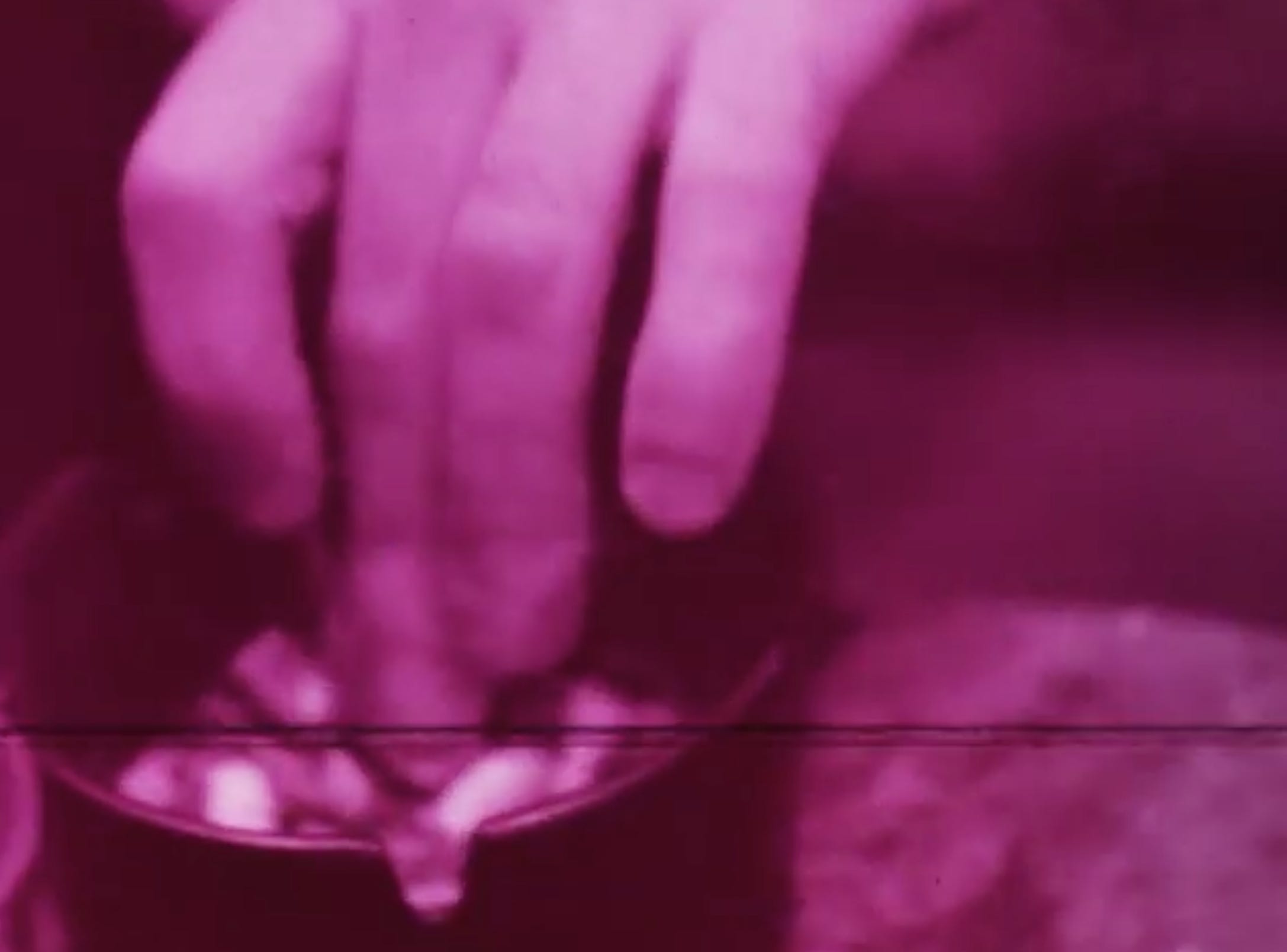
I am not actively writing another novel right now, but I can feel it sort of circling me, and I scribble words as they come. Is this the beginning? Something else? How far back can we go? How and when did your own story begin? This is, in a way, the question of astrology—the art of reading beginnings, of drawing charts for the moment of birth. What’re we writing towards, and where from? Magenta maybe possibly began with me watching, transfixed and slightly annoyed, over and over again, Hollis Frampton’s 3-minute film Process Red (1966), in which hands are moving at breakneck speed in red, magenta, black and white, while I was hungover from reading medieval mystics.
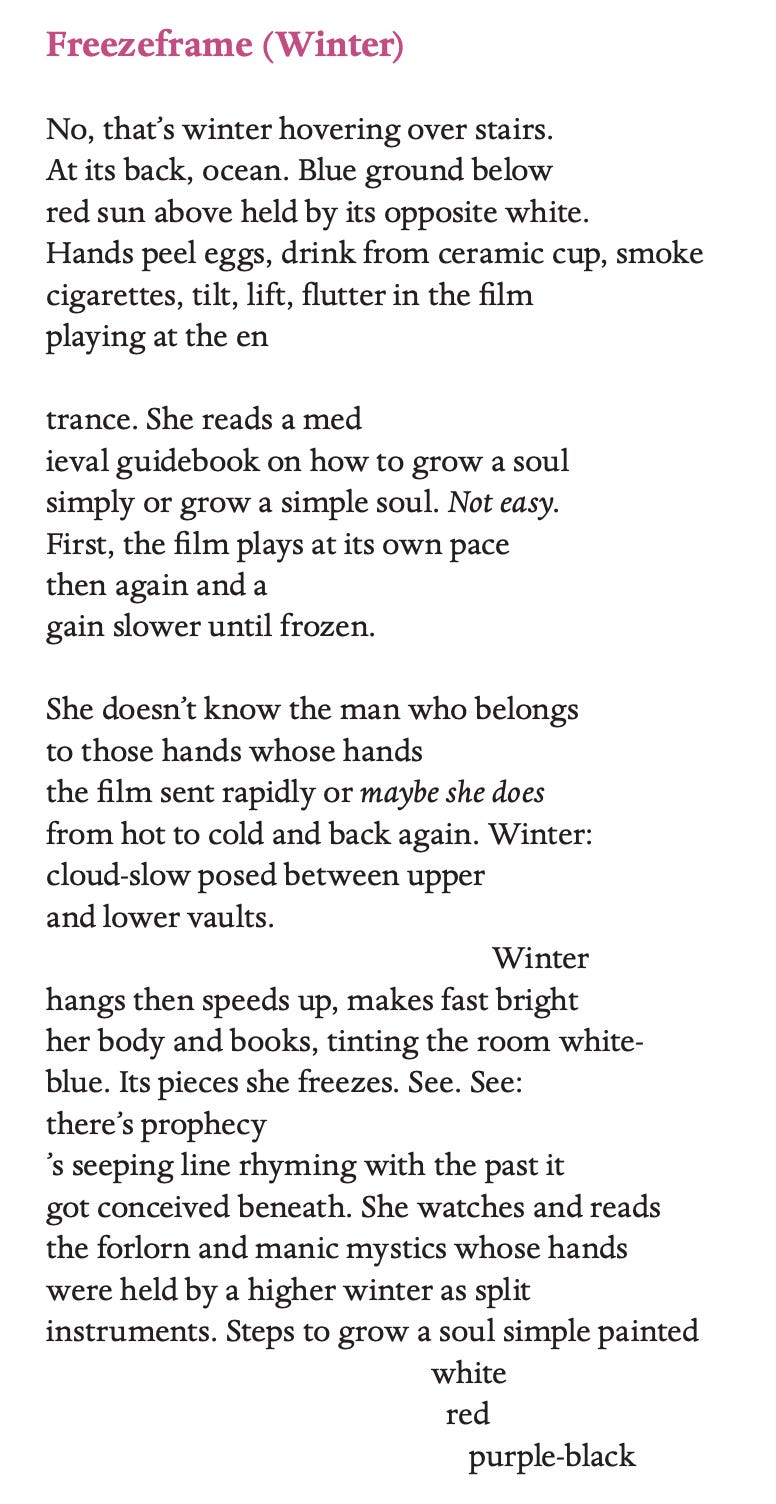
Magenta opens with this poem:
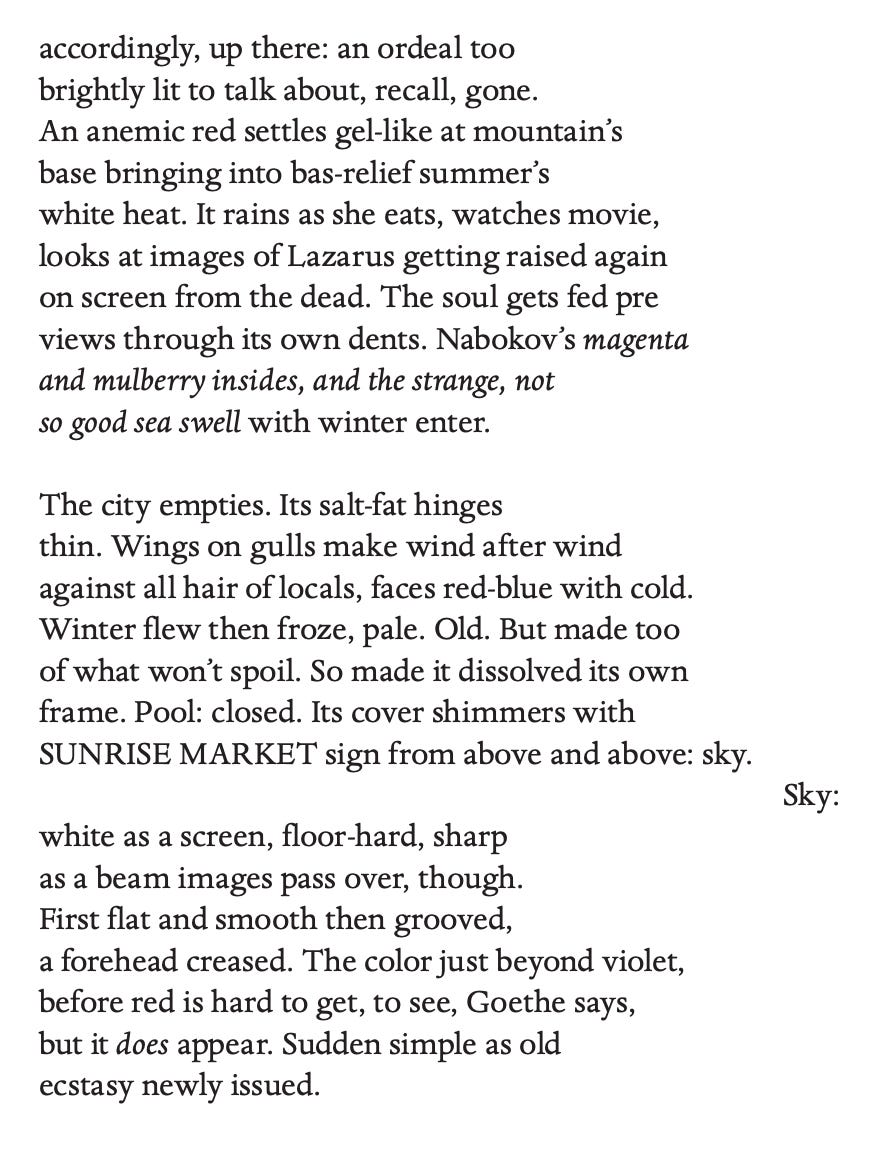
And closes with this one:
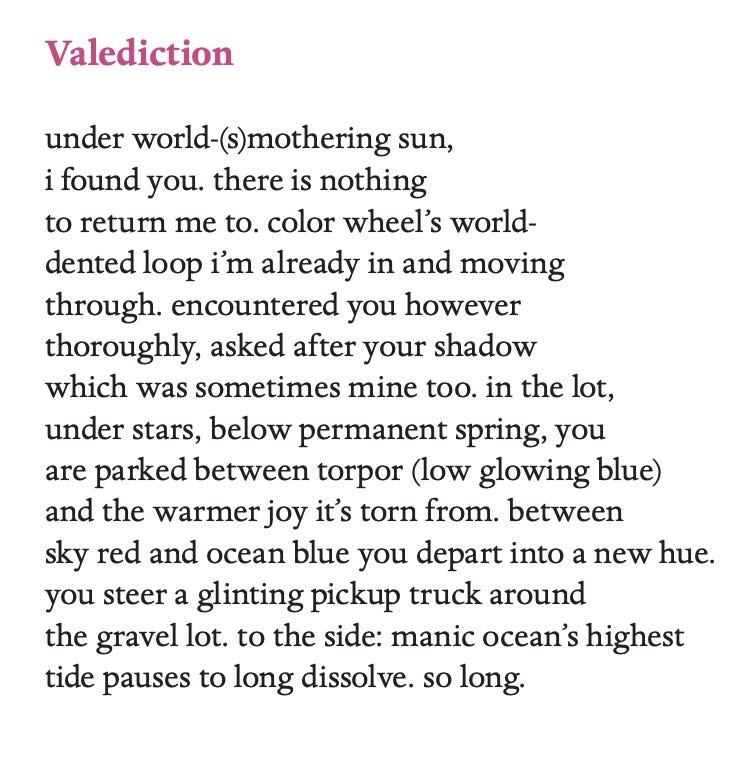
And I don’t want to tell you how The Moon Papers ends, but here is how it begins, with a so long/goodbye and distant-closeness:
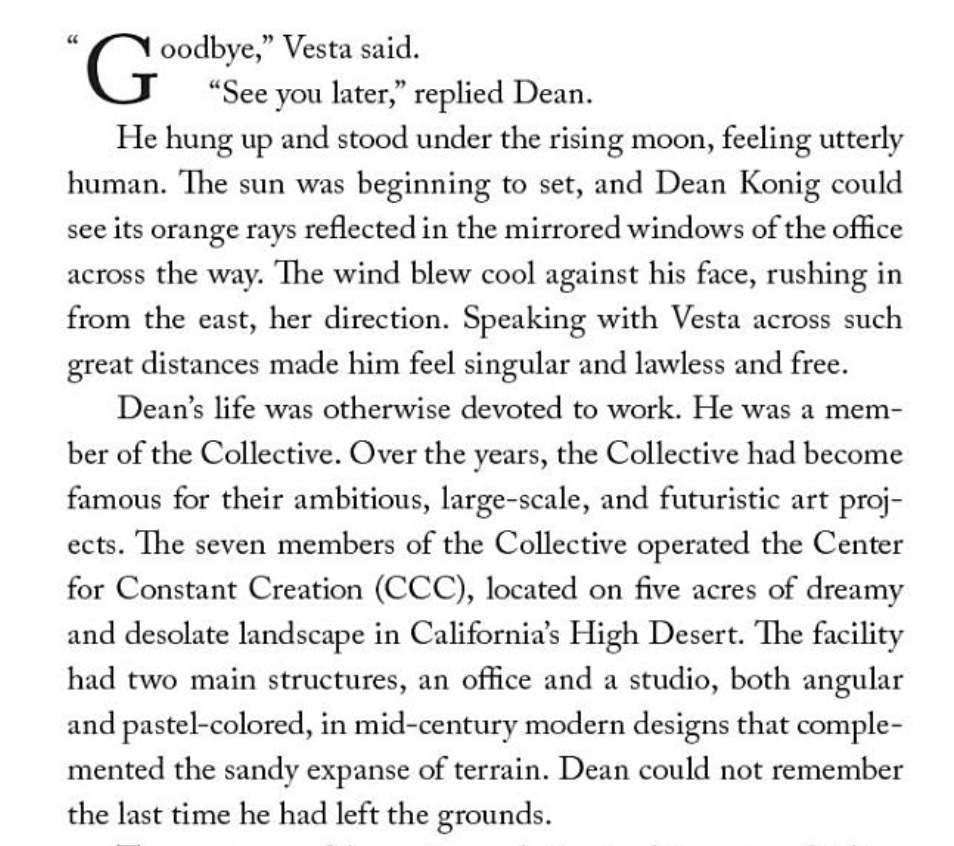
How do your beginnings and ends speak to each other? Loop back and around, make something new—take flight into an elsewhere, or go back home, or open into a home that looks utterly foreign? Begin. End. Begin. “Turning around is a true risk.” Something about movement. Movement of film. Of a lover’s truck around a lot. Of the distant-nearness of an image as you try to freeze it, relive it, play it back at a speed totally different. Something about how the light makes (films of) us.
xx
E
Upcoming:
AUGUST/ECLIPSE SEASON SESSIONS: 3 DAYS OPEN THIS MONTH
////
I’m so in love with our Dream Seminars dialogue and all the ideas/images developing from within it
I’m so in love with our Dream Seminars dialogue and all the ideas/images developing from within it